

Author: bobvee
I'm an old retired guy, modestly disabled (not modest at all)considering running away from home, if I get the right assistance (assistants?).
There is only one way to avoid criticism:
A Simple Breathing Technique Found to help Anxiety, Depression
We’re constantly breathing, but what happens when we lock into some kind of pattern and consciously think about our pace of breath? For some people it’s kind of disturbing to be too self conscious of bodily processes like this: thinking about how fast you’re breathing might become an obsessive type of thing.
But if one can not think about it too much, and just generally strive to take deeper breaths and promote activities in their life that improve their breathing, this might be a good thing to look into.
One genre of “breathwork” as some call it is known as Holotropic Breathing, as reported by this article. Wim Hof, someone known as the Iceman helped popularize it.

Read MUCH More Here: simple-breathing-technique-found-to-help-anxiety-depression/
If you hang out with Chickens, you’re going to….

The Racist History Of Chinese Restaurants…[VIDEO]
I Want You To Know That Someone….

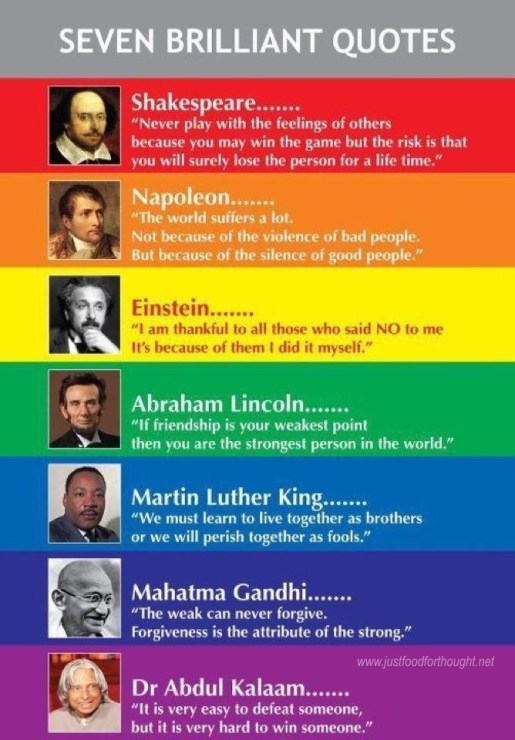
Seven Brilliant Quotes…
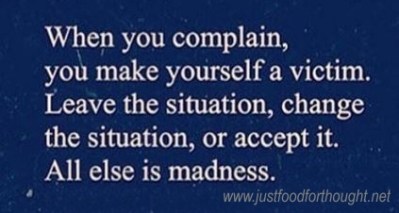
When You Complain, you make yourself….
As Landmark Glyphosate Case Moves to Trial, Man Dying of Cancer to Have Day in Court With Monsanto
A California man dying of cancer will soon become the first person ever to take agrochemical giant Monsanto to trial over allegations that the company has concealed findings that glyphosate, the active ingredient in the company’s popular weedkiller Roundup, causes cancer.
Before DeWayne Johnson, a 46-year-old father of three, was diagnosed with non-Hodgkin lymphoma at the age of 42, he worked for a school district in California, “where his responsibilities included direct application of Roundup and RangerPro, another Monsanto glyphosate product, to school properties,” according to his “landmark” lawsuit.
Read The Full Story Here: https://www.ecowatch.com/landmark-glyphosate-case-2571385642.html
Don’t Expect To See A Change If…

So it’s OK for the cat

The same boiling water…
British Refugees are attacked..

A Good Thought and Strategy….

Russia positions itself to supply the world with organic food…

Russia is poised to become the world’s largest supplier of organic foods, after taking a stand against genetically-engineered seeds last summer, saying that it has “chosen a different path.” The decision is based on healthy scepticism as Russia refuses to breeze over the fact that GMOs have not been proven safe for long-term consumption.(1)
The country voiced concerns about the effect GMOs and their associated pesticides have on the environment, which often cause irreversible damage to Earth’s valuable resources. Russia has set itself apart from other nations through its rejection of modified foods, proving they are not in fact required for humans to survive – as the biotech industry will have you believe.
Read Full Story Here: https://newstarget.com/2016-01-27-russia-positions-itself-to-supply-the-world-with-organic-food.html
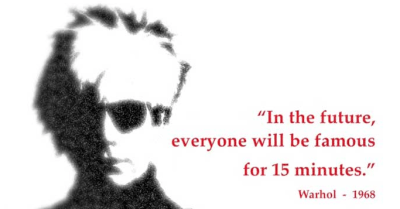
Andy Warhol Quote – ‘In The Future’
USA and Israel…

Don’t Worry About Me, Worry…

Stay Low Key….
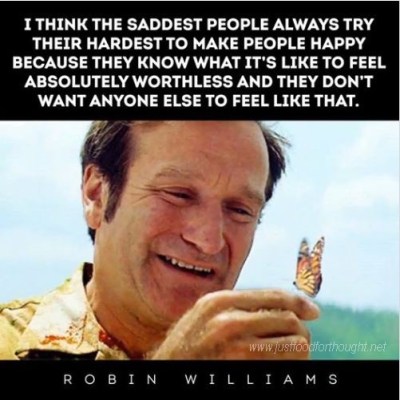
I think the saddest people try…
If All Religions Teach….

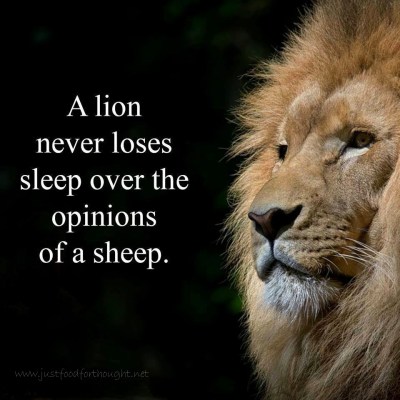
A Lion Never Loses….
Your Flaws Are….

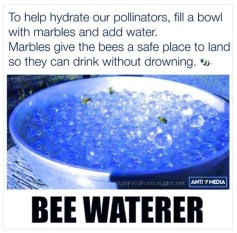
Help the Bees Please….
Anti Social Quote that makes sense….
Amazon CEO vs. Staff…

Africans vs. Europeans….

Disney is a money trap…

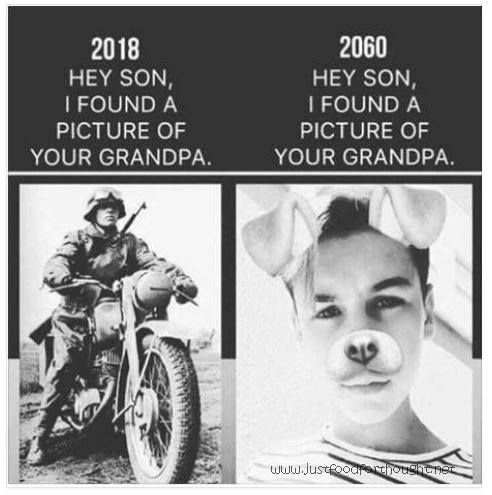
2018 vs. 2060 Grandpa’s
V Putin Quote…

A chance for social bonding with a Camp Fire Chat…
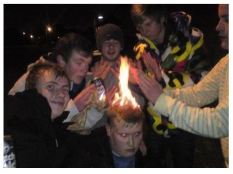
The evolution of fire may have had major social impacts, as well as transforming our diet, according to new research.
Research among the Bushmen of the Kalahari has found sitting around a campfire at night enables conversations, storytelling, and social bonding that rarely happens during daylight.
Study author Dr Polly Wiessner, professor of anthropology at the University of Utah , analysed the content of 174 recorded or documented day and nighttime conversations among the Bushmen, as well as 68 other translated texts.
“I found this really fascinating difference between conversations by firelight and conversations in the day,” says Wiessner, whose research is published this week in Proceedings of the National Academy of Sciences.
While daytime talk tended to focus on economic matters and gossip, at night around the campfire, the conversation shifted away from the day-to-day tensions and towards singing, dancing, religious ceremonies and storytelling, and chat about common acquaintances.
“The day is harsh, you see the realities, you see the facial expressions, there’s work to be done, and there’s social regulation, and at night people kind of mellow out,” Wiessner says.
While evolutionary study of the impact of fire has long focused on the physiological changes associated with cooking of food, Wiessner was more interested in its social impact.
“The day is productive time for hunting and gathering and the firelight changed our circadian rhythm, so we stayed awake much longer and it gave a whole new time and space, and it was a time when no work could be done,” she says.
“I think it had an impact on our cognitive evolution; the stories are told in wonderful language, perhaps increasing linguistic skills and the imagination . . . when you’re out in the dark by a fire, so many of the stimuli are shut out and your imagination then takes off.”
The conversations also seem to serve an important social function, with discussion of far-flung acquaintances both alive and dead, that can serve to reinforce that broader social network, says Wiessner.
“A bushman with widespread networks, they see this as their broader community but actually these aren’t contiguous in space and sometimes even include people you don’t know very well.”
Impact of artificial light
The development of artificial lighting may have pushed the campfire out of our lives, but Wiessner says we still sometimes try to recreate that atmosphere.
“Even in our society, we love our fireplaces, in our restaurants we have candlelight, we often do a lot to change our environment to bring about the mood that stimulates intimacy, bonding, and imagination.”
However the development of artificial lighting and computers also means that those night-time hours when, in the past we would have been engaged in social bonding, we now often see those hours as an extension of daylight work time.
“For many people now artificial light has turned what were social hours into really productive hours,” says Wiessner.
“We sit there at the computer, we write, we feel we can continue to get work done, and we don’t get the social work done, we don’t spend nearly as much time with people, so the question is, when artificial light turns social time into productive time, what happens?”
Source: http://www.abc.net.au
 Stranger Than Fiction News