
Category: Food For Thought
Dear Immigrants…..

Something I learned…..

Just be honest…..

The Plan…..Start with the CIA….

‘Paris Climate Precipice’

‘Trust is a fragile thing. Once earned….

‘At your absolute best, you still…

Me in a hurry vs. the printer

Deep thought of the day: Why are women and children evacuated first in an emergency?

Amazon Explains How It Uses Data on Sellers for Its Own Products:

Source: https://www.theinformation.com/
In response to questions from U.S. lawmakers, Amazon said that while it does not use data on individual merchants’ sales, it looks at total sales within categories and search volume on its website to figure out which products are high in demand.
Amazon said in a letter that such practices are not uncommon among retailers that offer their own private label products. The company added that its private label sales only account for about 1% of Amazon’s total sales. Amazon also said certain data on sales rankings of its products are public.
It’s worth highlighting Amazon’s defense on the topic of its private label sales because regulators in Europe are looking into whether Amazon uses data about its sellers to undermine competition.
New Business Plan To Prevent Climate Change….

It’s a good thing Hillary Clinton did not win……

‘Attention Men……

‘Having a 8 year old child dancing seductively and…..

A Trump Distraction thanks to Kim Jong Un?

A Question For The Illegal Immigrants At The Southern US Border…

Renewables Can’t Power Modern Civilization Because They Were Never Meant Too…

Over the last decade, journalists have held up Germany’s renewables energy transition, the Energiewende, as an environmental model for the world.
“Many poor countries, once intent on building coal-fired power plants to bring electricity to their people, are discussing whether they might leapfrog the fossil age and build clean grids from the outset,” thanks to the Energiewende, wrote a New York Times reporter in 2014.
Continue reading “Renewables Can’t Power Modern Civilization Because They Were Never Meant Too…”
‘The problem is people are being….

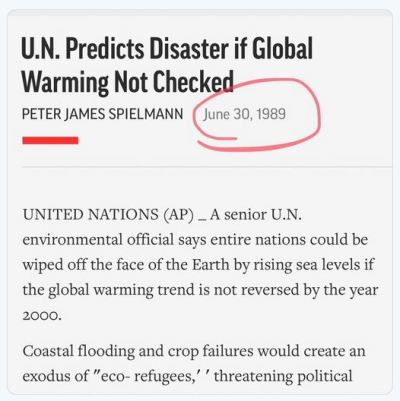
‘UN predicts disaster if global warming not checked…. in 1989
‘I’ve learned so much from….

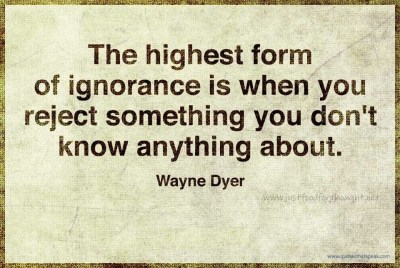
‘The highest form of ignorance is when….
Men vs. Women…

“Mom, does God ever change his mind….

Abbey Rd Crossing…

Google admits ‘language experts’ listen to ‘some’ assistant recordings
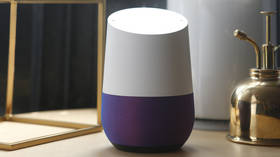
Google’s smart speakers are recording users when they least expect it, according to temp worker language experts hired by the company to listen to the snippets – which include some of users’ most private moments.
Google is able to claim it does not listen to the recordings Google Home devices are constantly generating only because it contracts the job out to temp workers. These “language experts,” as they are called, use a collaborative system built by the company to share and analyze sound snippets, assisting Google’s AI assistant in deciphering the nuances of human speech.
While Google emphasizes that it anonymizes the snippets, replacing the user’s name with a serial number, Belgian broadcaster VRT found that matching a voice snippet with its owner was not very difficult, given the ample supply of addresses and sensitive information found on the recordings they were given. They listened to over 1,000 excerpts supplied by a Dutch contractor and discovered that more than 15 percent of them – 153 recordings in all – were recorded without the user’s knowledge.
Full story: https://www.rt.com/news/463970-google-home-assistant-eavesdropping/
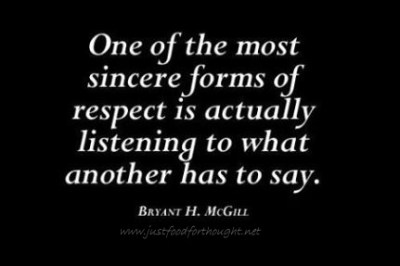
Respect / Listening Quote…
Steak cooking request vs Argument with wife…

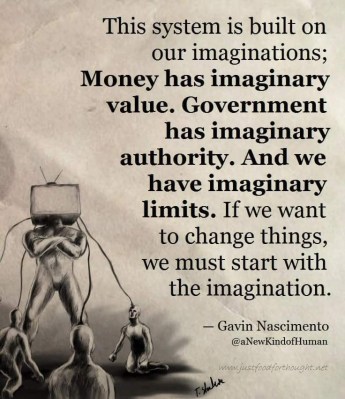
System built on our imaginations….
“When you love someone, you……

Free Speech… then and now

 Stranger Than Fiction News